Educational information only; not a substitute for medical diagnosis or treatment.

Premium Peptides – Header (fixed)
Anti-Aging & Longevity Research – Premium Peptides

Premium Peptides · Research & Education

Anti-Aging & Longevity Research

Explore compounds attracting attention in healthy-aging research — from cellular energy and repair signaling to collagen support and growth-hormone pathways.

Featured Videos

Hear the research explained

Selected educational discussions related to this area. Videos open in a new tab so this page stays open.
Videos in English

Videos in Spanish

How to Mix and Inject

Side Effects

Premium Peptides – Why Researchers Are Interested (Anti-Aging)

Why Researchers Are Interested

Signals associated with repair, resilience and healthy aging

Longevity research increasingly focuses on preserving cellular energy, tissue quality, inflammatory balance and sleep. The compounds below are studied because they interact with those systems in distinct ways.

  • Cellular Energy

    NAD+ is central to redox reactions and energy metabolism.

  • Tissue Renewal

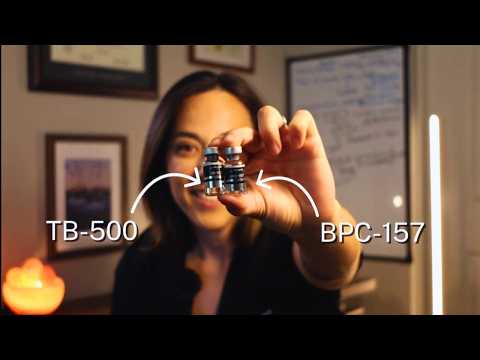
    GHK-Cu, BPC-157 and TB-500 are investigated in wound repair and tissue-remodeling research.

  • Inflammation & Redox

    Glutathione supports redox balance, while KPV is studied for anti-inflammatory signaling.

Featured peptide

GHK-Cu

Human + laboratory research

GHK-Cu is a naturally occurring copper-binding tripeptide that has drawn interest for collagen and extracellular-matrix remodeling, wound repair and regenerative signaling. Published reviews describe effects on genes associated with tissue repair and remodeling, while topical/cosmetic research has explored improvements in skin quality.

Research perspective: The positive case for GHK-Cu is its unusually broad repair-signaling profile. Evidence is strongest for topical/skin and wound-related research; claims beyond those areas should be interpreted according to the study model and formulation. Research ↗

Peptide

BPC-157

Primarily preclinical evidence

BPC-157 has produced notable findings in animal models involving tendon, ligament, muscle and gastrointestinal tissue repair. That preclinical repair profile is the main reason it appears in discussions of tissue resilience and healthy aging.

Research perspective: The positive preclinical signal is substantial enough to justify continued research, but controlled human trials are still needed before animal repair outcomes can be assumed in people.

Cellular cofactor

NAD+

Human metabolism + translational research

NAD+ is essential to cellular energy metabolism and is also used by enzymes involved in DNA repair and cellular stress responses. Age-related changes in NAD metabolism have made the pathway a major focus of longevity science.

What makes it interesting: Human studies of NAD-precursor strategies have demonstrated that NAD-related metabolites can be increased, although whether that translates into specific anti-aging outcomes is still being defined.

Antioxidant

Glutathione

Clinical evidence varies by use

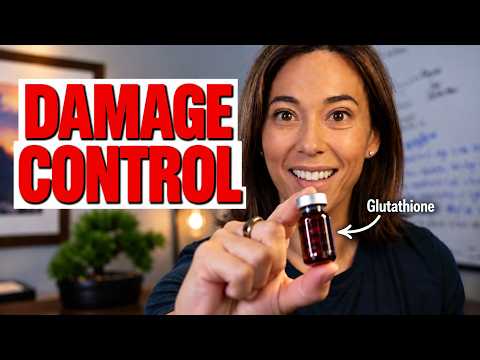
Glutathione is one of the body’s principal endogenous antioxidants, protecting cells from oxidative stress and helping maintain cellular redox balance. In dermatology it has been investigated for potential effects on pigmentation, skin brightness and the appearance of uneven skin tone.

Research perspective: The strength of clinical evidence varies by formulation and intended use, so findings from one product or route of delivery should not be generalized to others. Research ↗

Peptide

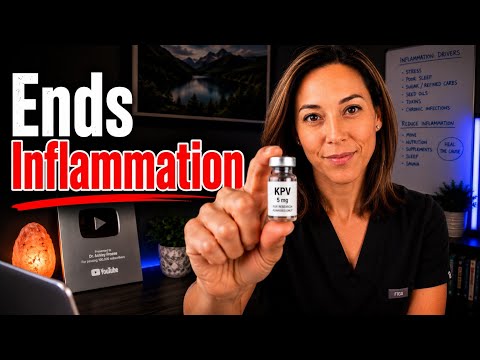
KPV

Laboratory + preclinical evidence

KPV is a short peptide fragment derived from α-MSH that is studied for anti-inflammatory signaling. Preclinical research has explored its effects on inflammatory pathways, intestinal inflammation and the integrity of gastrointestinal tissues.

Research perspective: Age-related inflammation is a recurring theme in longevity research, which is why anti-inflammatory mechanisms attract interest. Most KPV evidence remains preclinical, so further human research is needed to determine whether these findings translate into meaningful clinical benefits.

Research peptide

TB-500

Preclinical + limited clinical pathway evidence

TB-500 is a name used for products associated with thymosin beta-4, a naturally occurring protein involved in cell migration, tissue remodeling and wound-healing biology. Thymosin beta-4 has been investigated in preclinical and clinical research on tissue repair, angiogenesis and ocular-surface repair.

Research perspective: Commercial TB-500 should not automatically be treated as identical to every thymosin beta-4 preparation studied in the scientific literature; formulation and study model matter, and evidence for specific benefits attributed to marketed TB-500 products remains limited.

Peptide

DSIP

Early and inconsistent research

Delta sleep-inducing peptide (DSIP) is a short peptide originally investigated for its possible relationship with sleep regulation. Research has explored its potential influence on sleep patterns, neuroendocrine activity and stress-related responses, which links it to the role of sleep and circadian health in healthy-aging research.

Research perspective: Findings have been inconsistent, and its effectiveness as a treatment for insomnia or as a means of improving restorative sleep has not been firmly established.

Research Sources

Research & Education

Explore our peptides

Browse every featured peptide in one place, with plain-language summaries of what research has explored and where the evidence stands.

View All Peptides
Our services:
  • Anti-Aging
  • Weight Loss
  • Muscle Building
  • Skin Rejuvenation
Anti-Aging & Longevity Research | Premium Peptides

Premium Peptides · Research & Education

Anti-Aging / Longevity Research

Explore compounds attracting attention in healthy-aging research — from cellular energy and repair signaling to collagen support and growth-hormone pathways.

Request Information
Featured Videos | Premium Peptides
Why researchers are interested | Premium Peptides

Why researchers are interested

Signals associated with repair, resilience and healthy aging

Longevity research increasingly focuses on preserving cellular energy, tissue quality and signaling pathways that change with age. Several compounds below are studied because they interact with those systems in distinct ways.

  • Cellular energy

    NAD+ is central to redox reactions and energy metabolism.

  • Tissue renewal

    GHK-Cu has been investigated in wound repair and extracellular-matrix signaling.

  • GH / IGF-1 signaling

    GHRH analogues are studied for their ability to stimulate endogenous growth-hormone pathways.

Cellular cofactor

NAD+

Human metabolism + translational research

NAD+ is essential to cellular energy metabolism and is also used by enzymes involved in DNA repair and cellular stress responses. Age-related changes in NAD metabolism have made the pathway a major focus of longevity science.

What makes it interesting: Human studies of NAD-precursor strategies have demonstrated that NAD-related metabolites can be increased, although whether that translates into specific anti-aging outcomes is still being defined.
Peptide

CJC-1295

Human pharmacology research

CJC-1295 is a long-acting GHRH analogue. In controlled human research, single injections produced dose-dependent increases in growth hormone and IGF-1, with effects persisting for days.

Published study protocol: Early human pharmacology studies evaluated single doses in the approximately 30–60 μg/kg range among other dose levels. This describes a research protocol, not a dosing recommendation.
Find the published CJC-1295 research ↗
Peptide

Ipamorelin

Growth-hormone secretagogue research

Ipamorelin is a selective ghrelin-receptor agonist studied for stimulating pulsatile growth-hormone release. Its selectivity is a major reason it remains of interest in peptide research.

Research on CJC-1295 and ipamorelin separately supports their effects on GH signaling; the popular combination itself has much less controlled human outcome data than either mechanism is sometimes assumed to have.

Research-use information: Published study amounts are included to describe the scientific literature, not as instructions for self-administration. Product status, approved uses and regulations vary by compound and jurisdiction.

Premium Peptides – Contact Bar