Educational information only; not a substitute for medical diagnosis or treatment.
Premium Peptides · Research & Education
Peptide research around growth-hormone signaling, IGF-1, tissue repair and recovery continues to attract interest in body-composition and performance science.
Selected educational discussions related to this area. Videos open in a new tab so this page stays open.
Short
Short
Why GH signaling and repair peptides get attention
Muscle adaptation depends on training, nutrition, sleep and endocrine signaling. Peptide research adds another layer by examining pathways involved in growth-hormone release, IGF-1 signaling, tissue repair and sleep.
CJC-1295, ipamorelin and tesamorelin act on the growth-hormone axis through different mechanisms.
Human studies of CJC-1295 with DAC documented sustained increases in GH and IGF-1.
TB-500 is studied in tissue-repair biology and DSIP in sleep regulation, both relevant to recovery.
CJC-1295 is a growth-hormone-releasing hormone (GHRH) analogue that stimulates the pituitary pathway for growth-hormone release. It is often discussed alongside ipamorelin because the two act through complementary mechanisms.
Research perspective: Much of the published human pharmacology relates to the longer-acting DAC version (see below). Evidence that CJC-1295 improves muscle growth, fat loss or recovery in healthy adults remains limited.
Ipamorelin is a selective ghrelin-receptor agonist studied for stimulating pulsatile growth-hormone release. Its selectivity is a major reason it remains of interest in peptide research.
Research perspective: Research on CJC-1295 and ipamorelin separately supports their effects on GH signaling; the popular combination itself has much less controlled human outcome data than either mechanism is sometimes assumed to have.
Tesamorelin is a synthetic GHRH analogue with an established medical use in reducing excess abdominal visceral fat in adults with HIV-associated lipodystrophy. It stimulates the body’s own growth-hormone pathway, which is why it is relevant to research on body composition.
Research perspective: The evidence is strongest for visceral fat in its approved indication. Benefits for muscle development or athletic performance in healthy adults have not been established.
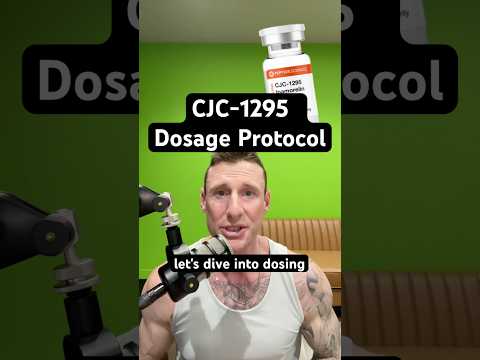
CJC-1295 with DAC is a longer-acting GHRH analogue designed to extend exposure compared with shorter-acting formulations. In controlled human research, single injections produced dose-dependent increases in growth hormone and IGF-1, with effects persisting for days.
Published study protocol: Early human pharmacology studies evaluated single doses in the approximately 30–60 µg/kg range among other dose levels. This describes a research protocol, not a dosing recommendation, and benefits such as improved muscle development, sleep or recovery in healthy individuals remain insufficiently established. Research ↗
TB-500 is a name used for products associated with thymosin beta-4, a naturally occurring protein involved in cell migration, actin regulation and wound-healing biology. Research has explored its potential role in tissue repair, angiogenesis and recovery.
Research perspective: Commercial TB-500 should not automatically be treated as identical to every thymosin beta-4 preparation studied in the scientific literature; formulation and study model matter, and evidence for muscle recovery, tendon healing or athletic performance remains limited.
Delta sleep-inducing peptide (DSIP) is a short peptide originally investigated for its possible relationship with sleep regulation. Research has explored its influence on sleep patterns, neuroendocrine activity and stress-related responses, which links it to recovery science because sleep is central to physical recovery.
Research perspective: Findings have been inconsistent, and its effectiveness as a treatment for insomnia or as a means of improving restorative sleep has not been firmly established.
Research-use information: Study amounts are provided only when they help describe published scientific protocols. They are not self-administration instructions or a substitute for qualified medical care.
Browse every featured peptide in one place, with plain-language summaries of what research has explored and where the evidence stands.
View All PeptidesPremium Peptides · Research & Education
Peptide research around growth-hormone signaling, IGF-1, tissue repair and recovery continues to attract interest in body-composition and performance science.
Request InformationFeatured Videos
Selected educational discussions related to this area. Videos open in a new tab so this page stays open.
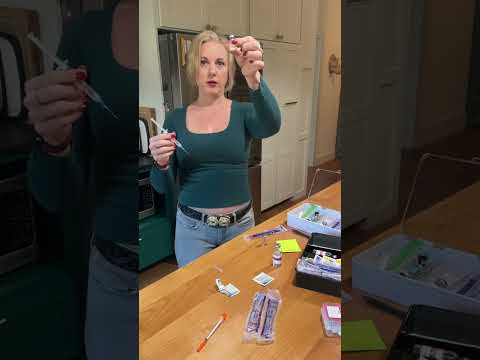
A physician discussion of TRT, HCG, enclomiphene and the broader hormonal context of muscle and performance.
Watch on YouTube ↗
A doctor reviews peptide combinations commonly discussed in muscle-growth and recovery settings.
Watch on YouTube ↗
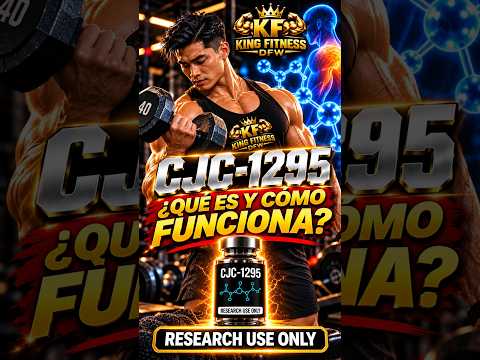
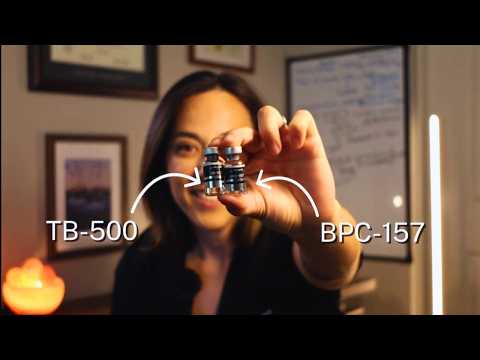
A physician-led explanation of two widely discussed growth-hormone secretagogues and why they are paired.
Watch on YouTube ↗Performance research

Muscle adaptation depends on training, nutrition, sleep and endocrine signaling. Peptide research adds another layer by examining pathways involved in growth-hormone release, IGF-1 signaling and tissue repair.
CJC-1295 and ipamorelin act through complementary signaling mechanisms.
Human CJC-1295 studies documented sustained increases in IGF-1.
BPC-157 and thymosin-related compounds are prominent in preclinical tissue-repair research.
Mechanistic + human pharmacology evidence
CJC-1295 stimulates the GHRH pathway, while ipamorelin acts through the ghrelin receptor. This complementary biology explains why the combination is frequently discussed in performance and recovery circles. Human CJC-1295 research has shown substantial, sustained increases in GH and IGF-1.
Primarily preclinical evidence
BPC-157 has produced notable findings in animal models involving tendon, ligament, muscle and gastrointestinal tissue repair. That preclinical repair profile is the principal reason it has become so prominent in recovery-focused peptide discussions.
Preclinical + limited clinical pathway evidence
Thymosin-β4 is involved in cell migration, actin regulation and wound-healing biology. Research has explored its potential role in tissue repair, angiogenesis and recovery, which drives interest in thymosin-related peptides.
Research-use information: Study amounts are provided only when they help describe published scientific protocols. They are not self-administration instructions or a substitute for qualified medical care.