Educational information only; not a substitute for medical diagnosis or treatment.
Premium Peptides · Research & Education
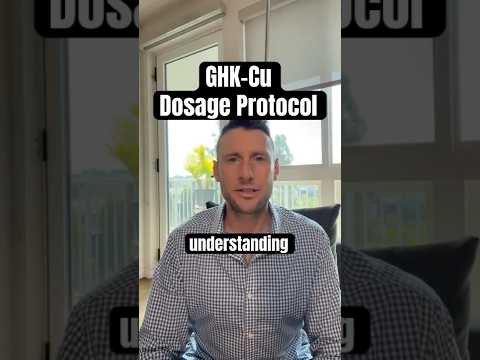
GHK-Cu sits at the center of this research category, with published work exploring collagen, extracellular-matrix remodeling, wound repair and hair-follicle biology.
Selected educational discussions related to this area. Videos open in a new tab so this page stays open.
Short
GHK-Cu: a standout peptide for skin and repair research
Skin appearance reflects collagen structure, pigmentation, oxidative stress and even sleep. The compounds below are studied because they act on those systems in different ways, with GHK-Cu at the center of the repair research.
Research has linked GHK-Cu with collagen synthesis and matrix remodeling.
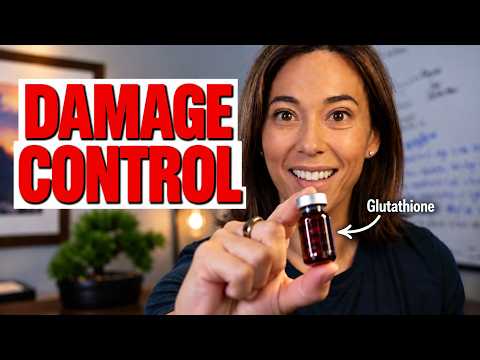
Glutathione and MT-2 are studied in skin brightness and melanin biology.
DSIP is studied in sleep regulation, one factor in how skin recovers.
Among cosmetic peptides, GHK-Cu has one of the more compelling research stories. It has been investigated for collagen production, extracellular-matrix remodeling, wound repair, antioxidant/anti-inflammatory signaling and skin regeneration.
What the literature suggests: Reviews and topical studies report improvements in measures associated with aged or photodamaged skin. Exact concentrations and formulations vary across studies, so there is no single universal research concentration that can responsibly represent the entire literature. Research ↗

Glutathione is one of the body’s principal endogenous antioxidants, protecting cells from oxidative stress and helping maintain cellular redox balance. In dermatology it has been investigated for potential effects on pigmentation, skin brightness and the appearance of uneven skin tone.
Research perspective: The strength of clinical evidence varies by formulation and intended use, so findings from one product or route of delivery should not be generalized to others.
MT-2 (melanotan II) is a synthetic peptide that acts on melanocortin receptors involved in pigmentation and other physiological processes. It has been investigated for its ability to stimulate melanin production, which can lead to increased skin pigmentation.
Research perspective: Its best-established research topic is pigmentation biology, not a claim that it provides safe or predictable tanning outcomes. MT-2 is not an approved medicine, and health regulators have issued warnings about unregulated products and reported side effects such as nausea, flushing and changes to moles.
Delta sleep-inducing peptide (DSIP) is a short peptide originally investigated for its possible relationship with sleep regulation. Research has explored its influence on sleep patterns, neuroendocrine activity and stress-related responses, which connects it to the wider role of sleep in how skin looks and recovers.
Research perspective: Findings have been inconsistent, and its effectiveness as a treatment for insomnia or as a means of improving restorative sleep has not been firmly established. Any effect on skin appearance is indirect and unproven.
Research-use information: Outcomes depend on formulation, route, model and population. Research findings should not be read as guaranteed cosmetic or therapeutic results.
Browse every featured peptide in one place, with plain-language summaries of what research has explored and where the evidence stands.
View All Peptides