
Educational information only; not a substitute for medical diagnosis or treatment.

Premium Peptides – Header (fixed)
Fat Reduction & Weight Loss Research – Premium Peptides

Premium Peptides · Research & Education

Fat Reduction & Weight Loss Research

Explore compounds attracting attention in metabolic research — from appetite and incretin signaling to energy expenditure and visceral-fat pathways.

Featured Videos

Hear the research explained

Selected educational discussions related to this area. Videos open in a new tab so this page stays open.

Videos in English

Videos in Spanish

How to Mix and Inject

Side Effects

Premium Peptides – Why Researchers Are Interested (Fat Reduction & Weight Loss)

Why Researchers Are Interested

Signals associated with appetite, energy balance and body composition

Metabolic research increasingly focuses on the hormonal pathways that regulate hunger, energy expenditure and the stress and sleep signals that influence them. The compounds below are studied because they act on those systems in distinct ways.

  • Appetite & Satiety

    GLP-1 and GIP receptor signaling influences hunger, fullness and gastric emptying.

  • Energy Expenditure

    Glucagon-receptor activity is studied for its effects on energy use and fat metabolism.

  • Sleep & Stress

    Sleep and stress influence appetite-regulating hormones, which is where DSIP research intersects.

Triple agonist

Retatrutide

Phase 3 clinical research

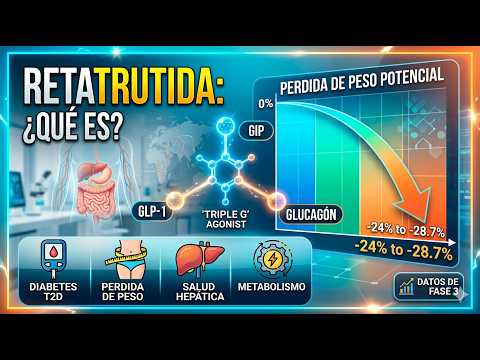
Retatrutide is an investigational once-weekly triple agonist of the GIP, GLP-1 and glucagon receptors. The added glucagon-receptor activity is of interest because it may increase energy expenditure and alter fat metabolism. A 2023 phase 2 trial reported average weight loss of about 24% at 48 weeks at the highest dose, and in May 2026 the sponsor announced topline phase 3 (TRIUMPH-1) results.

What makes it interesting: At 80 weeks, the highest dose in TRIUMPH-1 averaged about 28% weight loss among participants who stayed on treatment (25% across all participants who started), according to the company. These are topline figures, full peer-reviewed data are still emerging, and retatrutide is not yet an approved medicine. Nausea, diarrhea, constipation and vomiting were the most commonly reported adverse events. Find the published retatrutide research ↗

Dual agonist

Tirzepatide

Large human clinical trials

Tirzepatide is a once-weekly dual GIP and GLP-1 receptor agonist. In the large SURMOUNT-1 trial in adults with obesity, the highest dose produced average weight reductions of roughly 20% at 72 weeks, a result that helped establish incretin-based therapy as a leading area of metabolic research.

Research perspective: Tirzepatide has some of the most extensive human outcome data in this category and is an approved prescription medicine in several countries. Gastrointestinal effects such as nausea and diarrhea were the most commonly reported adverse events, and results from supervised clinical trials may not carry over to other settings.

GLP-1 agonist

Semaglutide

Large human clinical trials

Semaglutide is a GLP-1 receptor agonist with established medical uses in type 2 diabetes and chronic weight management, depending on the product and indication. It influences appetite and satiety, and in the large STEP 1 trial in adults with obesity the highest weekly dose produced average weight loss of about 15% at 68 weeks.

Research perspective: Semaglutide has among the most extensive human outcome data in this category, including cardiovascular research in selected patients. Nausea, vomiting and diarrhea were the most commonly reported adverse events, and weight regain has been reported after treatment stops. Research ↗

Peptide

DSIP

Early and inconsistent research

Delta sleep-inducing peptide (DSIP) is a short peptide originally investigated for its possible relationship with sleep regulation. Research has explored its influence on sleep patterns, neuroendocrine activity and stress-related responses, which is why it is sometimes raised in metabolic discussions, since sleep and stress affect appetite-regulating hormones.

Research perspective: Findings have been inconsistent, and its effectiveness as a treatment for insomnia has not been firmly established. There is no robust clinical evidence that DSIP itself produces weight or fat loss.

Research Sources

Research & Education

Explore our peptides

Browse every featured peptide in one place, with plain-language summaries of what research has explored and where the evidence stands.

View All Peptides
Our services:
  • Anti-Aging
  • Weight Loss
  • Muscle Building
  • Skin Rejuvenation
Fat Reduction / Weight Loss | Premium Peptides

Premium Peptides · Research & Education

Fat Reduction / Weight Loss

Evidence and safety information around peptide-based approaches to metabolic and weight-management goals.

Request Information
Featured Videos | Fat Reduction / Weight Loss | Premium Peptides
Fat Reduction / Weight Loss Research Overview | Premium Peptides

Why researchers are interested

Signals associated with appetite, metabolism and body composition

Weight-management research increasingly focuses on the hormone pathways that regulate appetite, glucose handling and energy balance. Several compounds below are studied because they act on those systems in distinct ways, and their evidence and regulatory status differ widely.

  • Appetite & satiety

    GLP-1 and GIP receptor signaling influences hunger, fullness and glucose control.

  • Energy balance

    Glucagon-receptor activity is being studied for its possible effects on energy expenditure.

  • Body composition

    GHRH analogues have been studied for their effect on abdominal (visceral) fat.

Investigational

Retatrutide

Phase 3 clinical research

Retatrutide is an investigational once-weekly triple agonist that targets the GIP, GLP-1 and glucagon receptors. Phase 3 trials have reported significant weight reduction versus placebo, and the manufacturer has said it plans to submit it to the FDA for review.

Status: Retatrutide is not approved by the FDA or other regulators for any use. Results come from company-announced topline data and are not head-to-head comparisons with other approved medications.
Find the published retatrutide research ↗
GHRH analogue

Tesamorelin

Approved for a specific condition

Tesamorelin is a growth-hormone-releasing-hormone analogue. In clinical trials it reduced visceral abdominal fat in adults with HIV-associated lipodystrophy, which is its FDA-approved use.

What makes it interesting: It shows how targeting growth-hormone signaling can change fat distribution. It is not approved as a general weight-loss treatment, and evidence outside its approved population is limited.

Research-use information: This page describes the scientific literature and does not provide dosing, mixing or self-injection instructions. Product status, approved uses and regulations vary by compound and jurisdiction. Discuss any weight-management decision with a qualified healthcare professional.

Premium Peptides – Contact Bar